

One of the questions we get asked most often is whether neurofeedback can be done from home. The answer is yes, and we have been doing it with clients both in the Denver area and across the country. Remote neurofeedback is not a watered-down version of what happens in the office. It is the same clinical-grade equipment, the same brain-map-guided protocols, and the same level of supervision. The difference is that the training happens in your own space, on your own schedule, with regular virtual check-ins to make sure everything is moving in the right direction.
That said, remote neurofeedback is not for everyone, and we are selective about who we offer it to because the quality of the work matters more to us than the convenience of the format. Here is how it works and who it tends to be a good fit for. This is easily assessed during the discovery.
How the process starts
Remote neurofeedback follows the same foundational steps as in-person work at LuxNeuro. It starts with a discovery call to assess needs and fit. From there, you visit Denver for a qEEG brain map, which is the foundation of everything that follows. Brain maps are typically scheduled on Thursdays, and many people make a long weekend of it. The map is recorded, analyzed, and reviewed with Laura before any training begins, just like it would be for someone coming into the office three times a week.
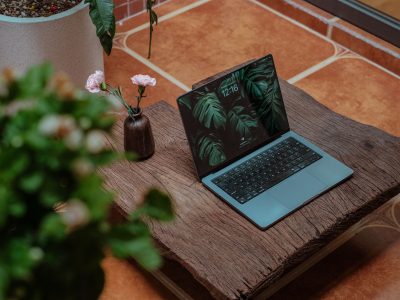
The difference is what happens next. Instead of coming back to LuxNeuro for sessions, you leave Denver with a clinical-grade neurofeedback system that is roughly the size of a large briefcase and is TSA compliant for carry-on travel. You take it home, set it up in a comfortable space, and begin training using the protocols developed from your brain map.

What a typical week of remote training looks like
Training frequency is customized to each person, but most remote clients train somewhere between two and five sessions per week depending on where they are in the process and what their schedule allows. Each session runs about 30 minutes to an hour, and the training is self-administered. You run the session yourself at home, or in some cases a family member can learn to help with the setup. Laura is not watching the session in real time, but she is reviewing responses, tracking what you are noticing, and checking in regularly to make sure the protocols are on track and the training is producing the shifts we are looking for.
In the beginning, check-ins are more frequent. This is intentional because the early sessions are where we want to confirm that the protocols are landing the way we expect and make any adjustments quickly if they are not. As the work progresses and the patterns stabilize, the check-ins are weekly, and the supervision never disappears. Laura stays with the process from start to finish.
What virtual supervision sessions cover
The virtual supervision sessions are not Laura watching you train. They are closer to a combination of neurofeedback coaching and nervous system translation. Sometimes the session is about reviewing how the past week went, what shifts you noticed, what felt different, what was challenging. Sometimes it is about talking through what the new version of yourself feels like, because as the brain changes, the experience of daily life changes too, and that can be disorienting in ways that are worth having someone walk you through. Sometimes it is about going deeper into the neurophysiology so you understand why certain things are shifting and what it means.
The content of these sessions runs the full range of what someone might need at any given stage of the process. They are not formulaic. They respond to where you are that week and what the work is asking of you.
Who remote neurofeedback is a good fit for
Remote neurofeedback works well for people who do not live near Denver but want to work with LuxNeuro specifically, people who travel frequently and need the flexibility of training on their own schedule, and people who prefer the consistency of training at home rather than committing to multiple office visits per week. It can also work well for people in the Denver area who want to train more frequently than their schedule allows them to come into the office.
It tends to work best for people who are self-motivated, comfortable with some independence in the process, and willing to communicate openly about what they are noticing between sessions. The most common practical concerns people have, things like the sensors making their hair a bit sticky after a session or figuring out the timing of when to train during the day, are things we walk through together early on so they do not become barriers. We offer comprehensive support and the process tends to run smoothly.
Remote neurofeedback is available within the United States where the scope and structure are appropriate. Laura’s Board Certification in Neurofeedback (BCN) and Diplomate in qEEG (QEEG-D) brain mapping are national credentials. For clients outside Colorado, this work is neurofeedback supervision and education, not psychotherapy. Supplies are provided throughout the program and the equipment ships back to LuxNeuro when the program is complete.
If remote neurofeedback sounds like it might be a fit for your situation, the discovery call is where we figure that out together.
 What Is a Neurofeedback Session Like? Neurofeedback in Denver, CO for First-Time Clients
